Teeth Grinding/Clenching
Teeth Grinding/Clenching
Relieve teeth grinding and clenching by relaxing the masseter muscle to ease tension and discomfort. Can also have a great jawline slimming effect for those with bulky masseters.
Treatment at a Glance
Areas Treated
Masseter
Discomfort level
None
Treatment Time
15-20 minutes
Results Begin
2-3 weeks
Typical Duration
5-6 months
A considered approach
Teeth Grinding/Clenching
This is a simple, safe and pain-free treatment with no downtime. Botulinum toxin injections are used to reduce the activity of the masseter muscles, which are the main chewing muscles located at the angle of the jaw.
When these muscles are overactive, they can contribute to teeth clenching and grinding, leading to symptoms such as jaw pain, facial pain, headaches and tooth wear. By gently reducing the strength of muscle contraction, treatment can significantly reduce or eliminate these symptoms while still allowing normal chewing and jaw function.
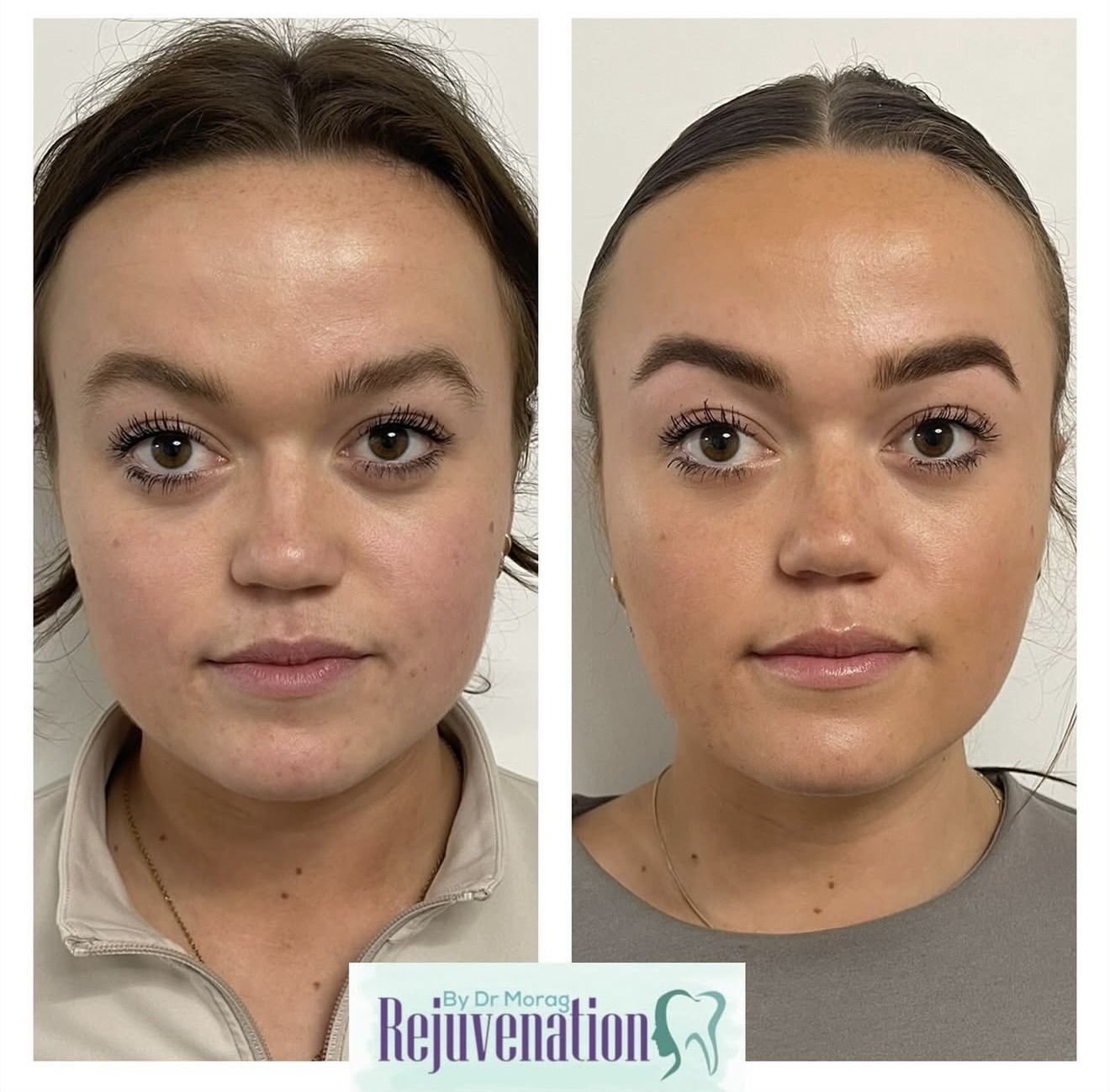
This treatment can also provide a cosmetic benefit & have a jawline slimming effect in suitable patients as an overactive masseter muscle can appear bulky and contribute to a wider or more square jawline.
Patient Questions
Frequently asked questions
What does the treatment involve?
Treatment involves the injection of muscle relaxing use of a prescription-only injectable medicine administered into the masseter muscles, which are the main chewing muscles responsible for clenching and grinding.
By gently reducing the strength of muscle contraction, treatment helps to decrease clenching and grinding behaviour while still allowing normal chewing, speaking and jaw function. The aim is not to stop the muscles working completely, but to reduce excessive force and tension.
Treatment is simple, safe and well tolerated, with no downtime. It is carried out following a thorough consultation and assessment of jaw function, muscle bulk and symptoms. Injection placement and dosing are carefully tailored to the individual.
What concerns can this treatment help improve?
Treatment for tooth clenching, grinding and masseter overactivity can help improve:
- Teeth grinding and clenching
- Jaw pain or tightness
- Facial pain related to muscle tension
- Headaches associated with clenching
- Tooth wear, chipping or cracking
- Jaw discomfort on waking
- Enlarged or bulky jaw muscles
In suitable patients, treatment can also help soften the appearance of a wide or square jawline caused by overactive masseter muscles.
What areas can be treated?
Treatment is most commonly focused on:
- Masseter muscles at the angle of the jaw
In some cases, other muscles involved in clenching or jaw tension may be assessed and treated if clinically appropriate.
What is the discomfort level?
Discomfort is usually minimal. The treatment involves a small number of injections into the jaw muscles and generally patients don’t feel anything.
Mild tenderness, swelling or bruising at the injection sites can occasionally occur but typically settles quickly.
How long does treatment take?
The treatment appointment usually takes 15 to 20 minutes, including assessment and treatment.
When will I start to see results?
Reduction in muscle activity is typically noticed within around two weeks, however as the masseter is such a strong muscle, the final result usually isn’t seen until closed to 3 weeks post-treatment
Any jawline slimming effect usually becomes more apparent from approximately 6-8 following treatment as it takes a few weeks of inactivity for the muscle bulk to reduce.
How long will results last?
Results typically last around 5-6 months, although this can vary depending on muscle strength and severity of clenching or grinding.
With repeated treatments, many patients find that symptoms improve further over time and treatment intervals may be extended as muscle activity becomes more controlled.
Important considerations
A dental examination is important when managing tooth clenching and grinding, particularly where tooth wear or damage is present. Treatment may be used alongside other dental measures, such as night guards, where appropriate, as part of a comprehensive management plan.
Suitability for treatment is assessed during consultation to ensure it is safe and appropriate for your symptoms and concerns.
Treatment Imagery
Before & Afters