High Intensity Focused Ultrasound (HIFU)
Decribed as the non-surgical facelift – lifts and tightens using advanced focused ultrasound energy without the need for surgery.
Areas Treated
Face, Neck, chin, jawline, abdomen
Discomfort Level
Mild
Treatment Time
45 to 90 minutes
High Intensity Focused Ultrasound (HIFU)
High intensity focused ultrasound (HIFU) is an advanced non-surgical treatment designed to stimulate collagen production in the deeper structural layers of the skin, helping to tighten, lift and improve overall facial support over time. It is often referred to as a non-surgical facelift, as it targets the same deep support structures addressed during a surgical facelift, without the need for surgery.
At Rejuvenation by Dr Morag, we invest heavily in the equipment used within clinic, ensuring that treatments are delivered using medical-grade technology that is safe, reliable, and clinically effective. Choosing the right devices is a fundamental part of our practice ethos, as treatment outcomes and patient safety are directly linked to the quality of the technology being used.
For High Intensity Focused Ultrasound (HIFU), treatments are performed using the Focus Dual platform from Lynton Lasers, the UK’s leading manufacturer of laser, light, and energy-based aesthetic devices. Lynton are specialists in aesthetic technology and are supported by one of the largest teams of UK-based doctors, scientists, engineers, and aestheticians working in this field.
With over 25 years’ experience in developing and manufacturing medical-grade devices for a wide range of cosmetic and medical skin concerns, Lynton are recognised as experts in designing technology that delivers consistently strong clinical results. Their equipment is used extensively across private medical clinics, NHS settings, and healthcare facilities throughout the UK, reflecting their emphasis on safety, regulation, and evidence-based outcomes.
Alongside their technology, Lynton provide comprehensive practitioner training that combines both theoretical knowledge and hands-on clinical experience. This training is developed in collaboration with leading academic institutions and ensures clinicians have an in-depth understanding of skin anatomy, tissue response, and energy-based treatments. This allows treatments to be delivered safely while achieving optimal results.
Lynton have also received multiple industry awards recognising the quality, safety, and clinical performance of their devices, providing further reassurance that we are using some of the most advanced and well-supported technology available within UK medical aesthetics.
For suitable patients, HIFU can be combined with Radiofrequency Microneedling as part of a Focus Dual Fusion treatment plan (see further details before for further information).
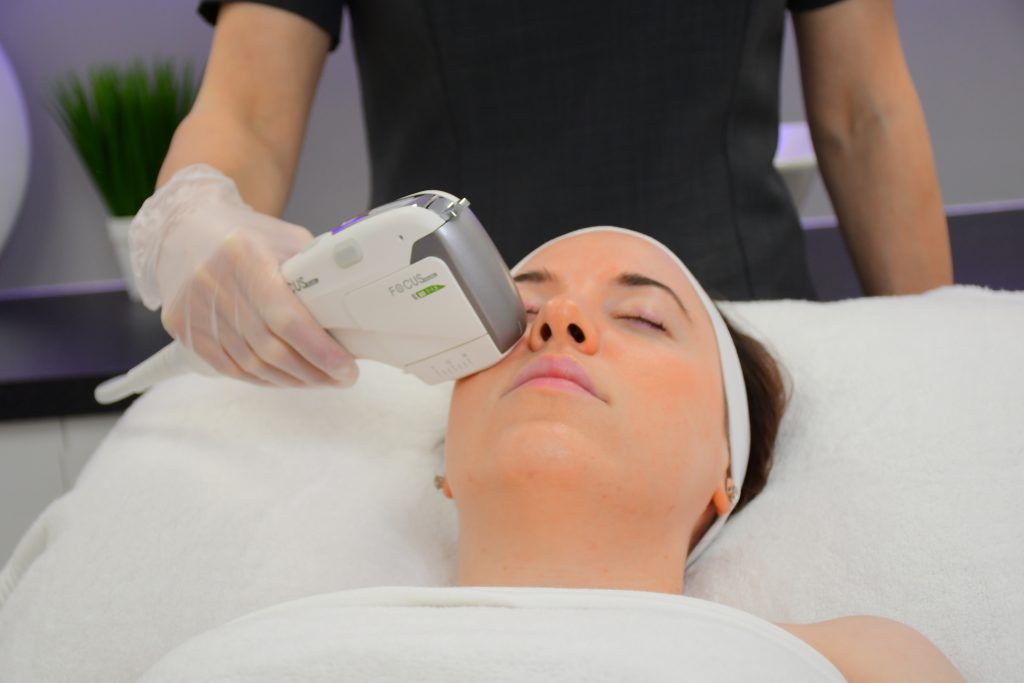
HIFU works by delivering focused ultrasound energy to precise depths beneath the surface of the skin, including the SMAS layer. The SMAS – or superficial musculoaponeurotic system – is the deep supportive layer of the face that surgeons lift and reposition during a surgical facelift.
By targeting this same layer non-surgically, HIFU creates controlled thermal stimulation that causes collagen fibres to contract and triggers the production of new collagen over time. This results in gradual tightening and lifting, rather than an immediate or artificial change.
Treatment is typically delivered as part of a structured treatment plan. Depending on skin quality and degree of laxity, some patients may require more than one session, but treatments must always be spaced appropriately to allow collagen to form and mature.
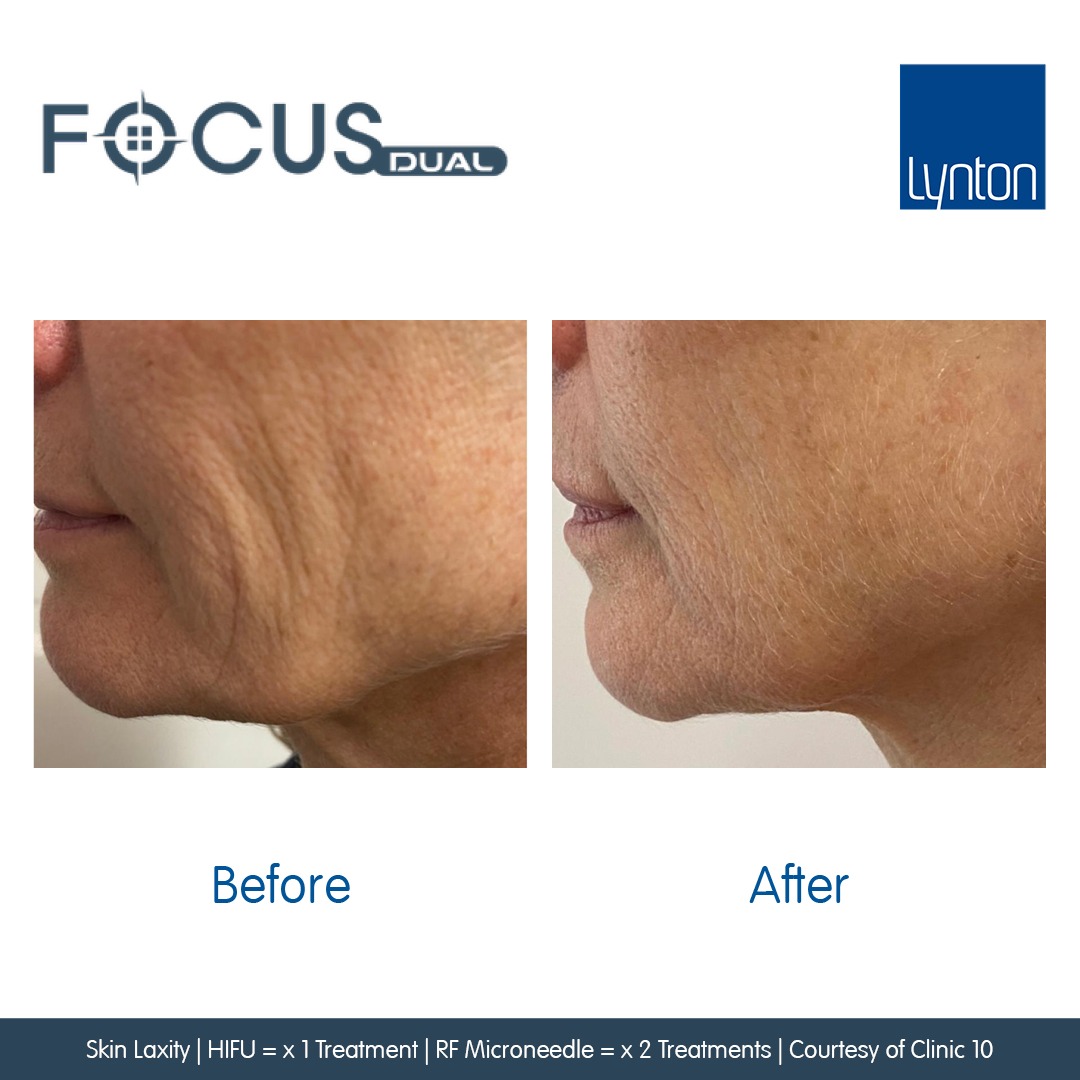
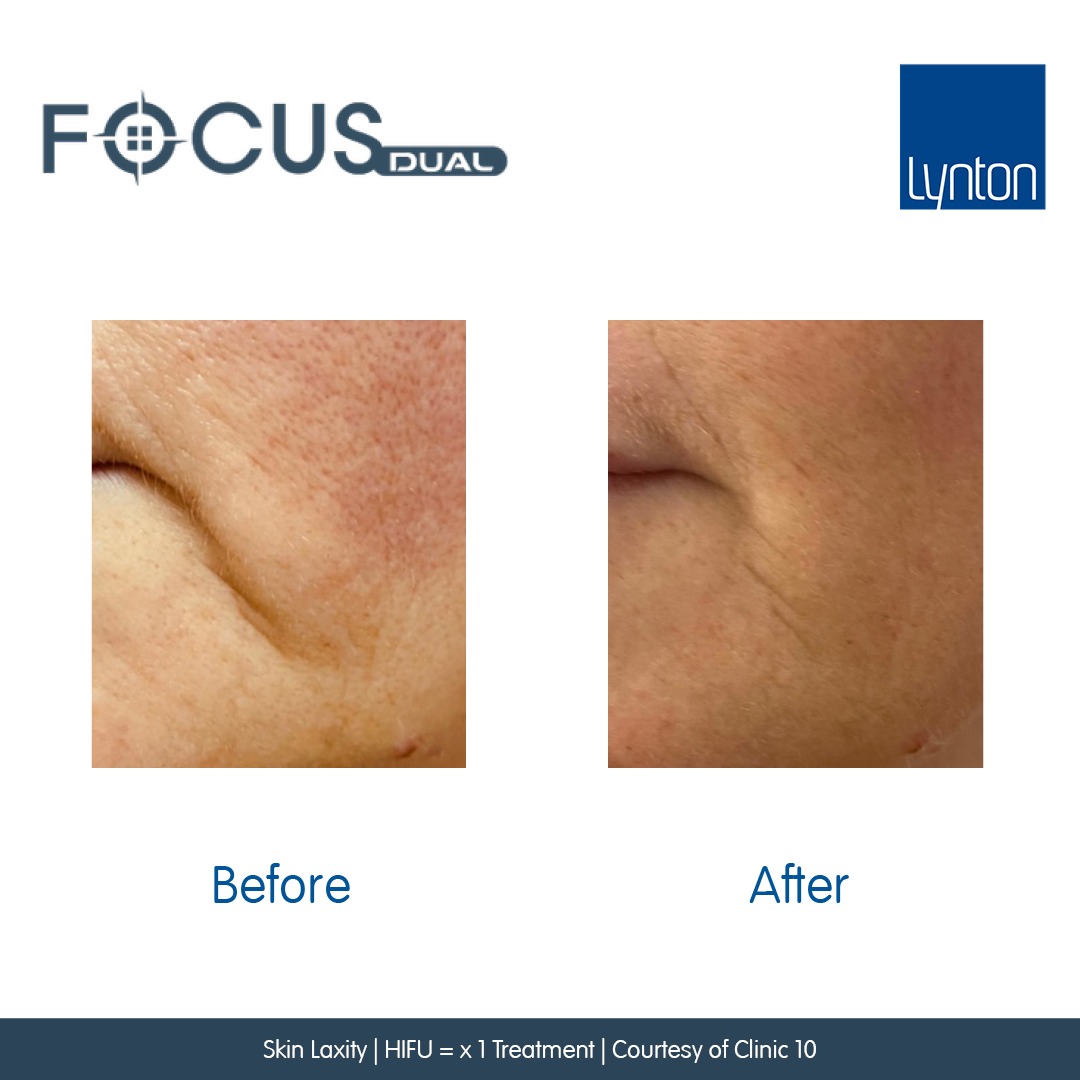
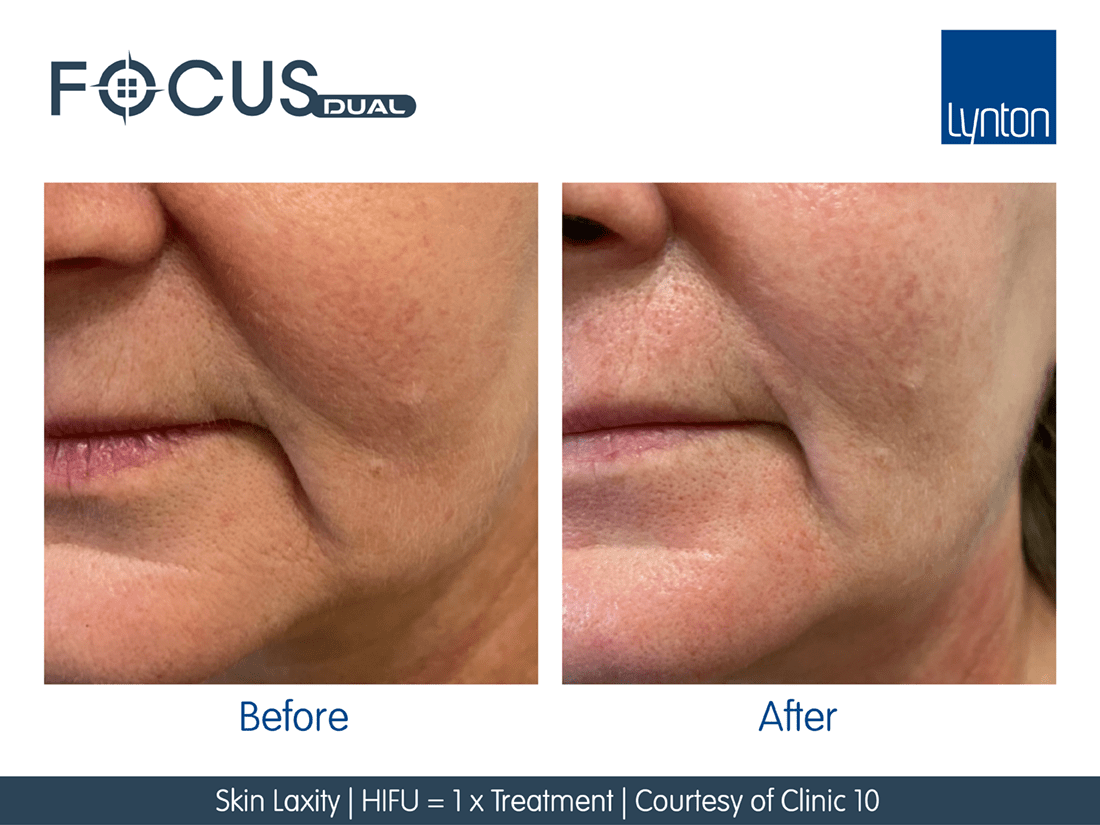
HIFU can be used to address concerns related to skin laxity, loss of structural support and sagging, particularly where a non-surgical facelift or non-surgical tightening approach is desired.
Facial and neck concerns include:
- Lifting and tightening of the lower face
- Jowling and loss of jawline definition
- Sagging through the mid to lower face
- Double chin and under-chin laxity or heaviness
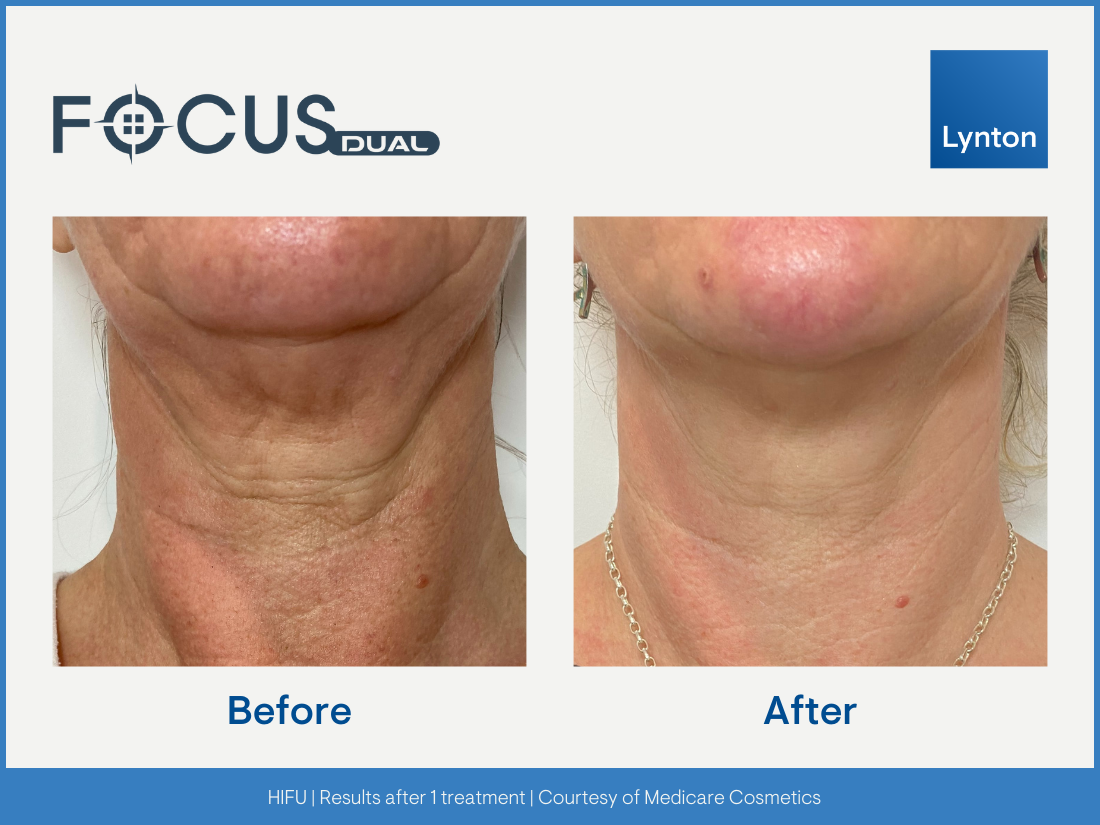
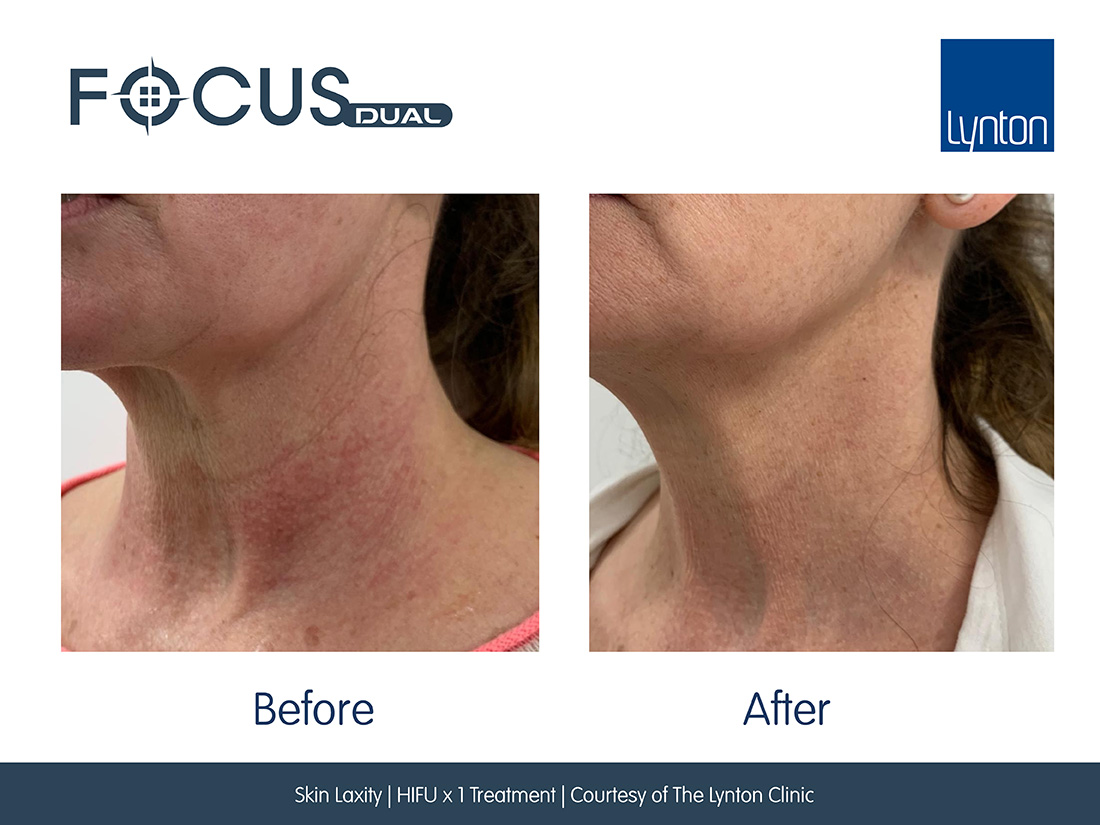
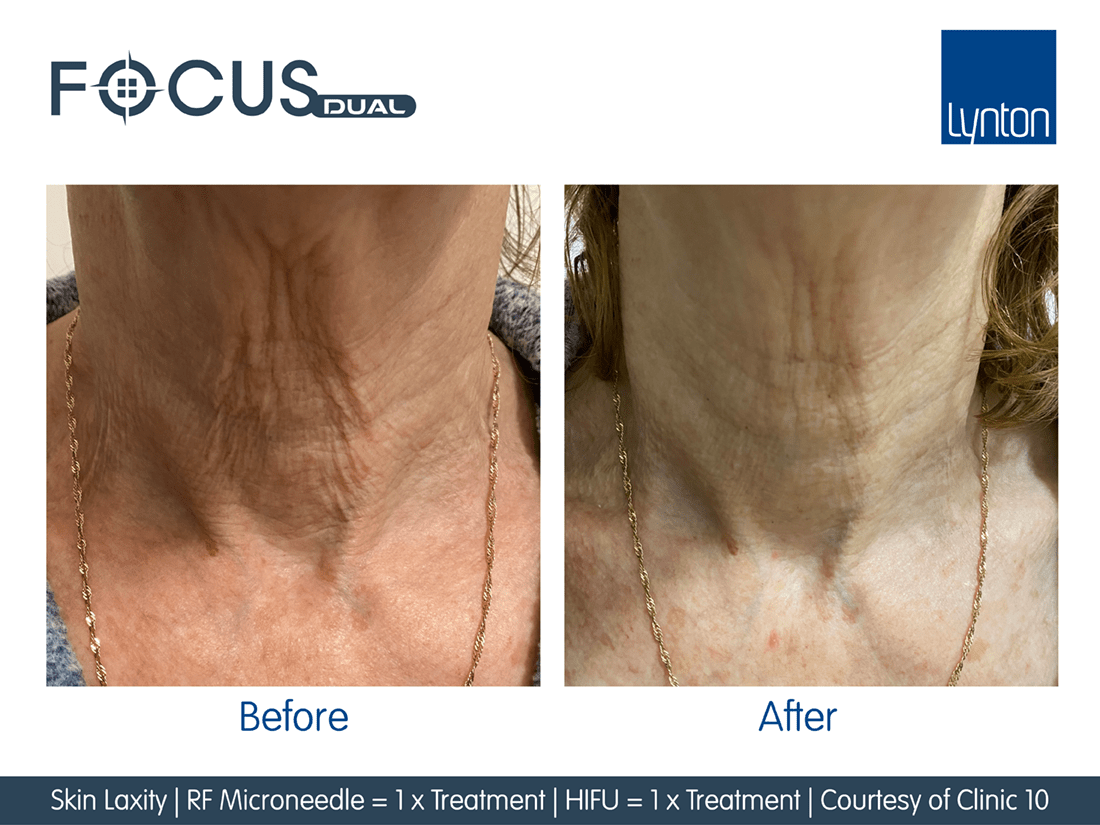
- Firming and tightening of the neck
- Loss of facial firmness and structural support
- Early to moderate skin laxity of the face and neck where surgery is not desired
Body concerns include:
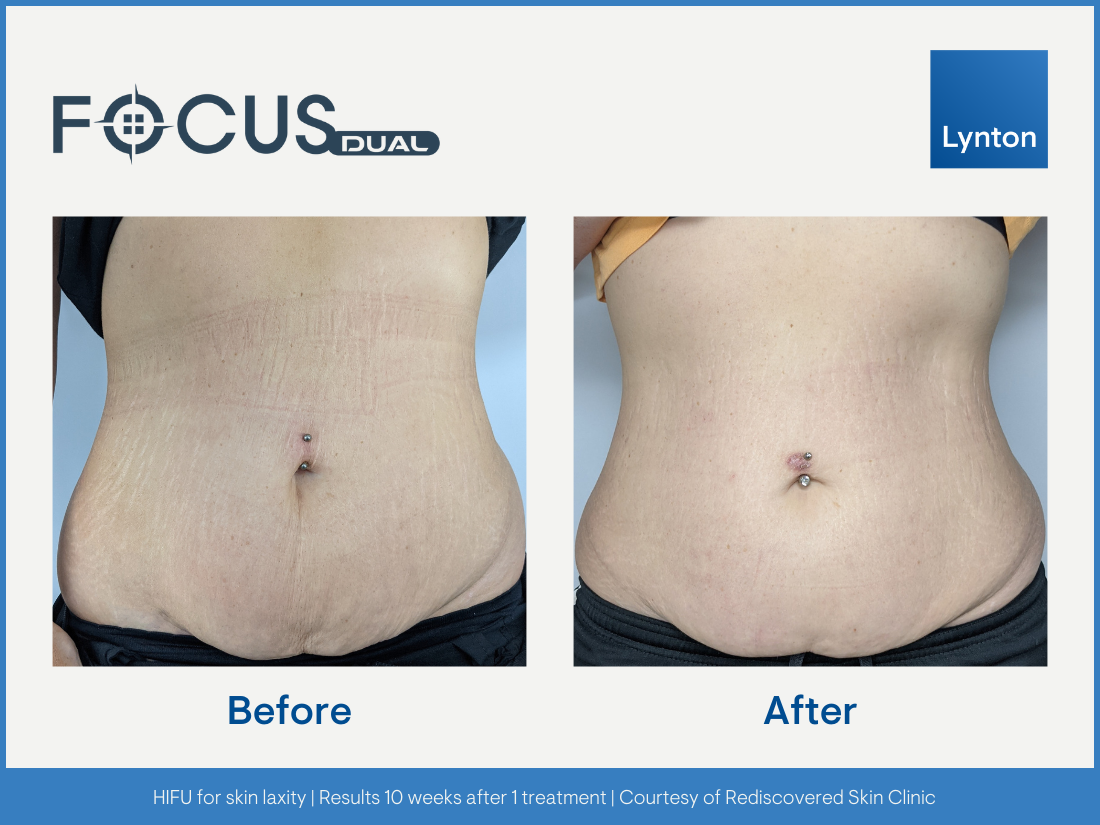
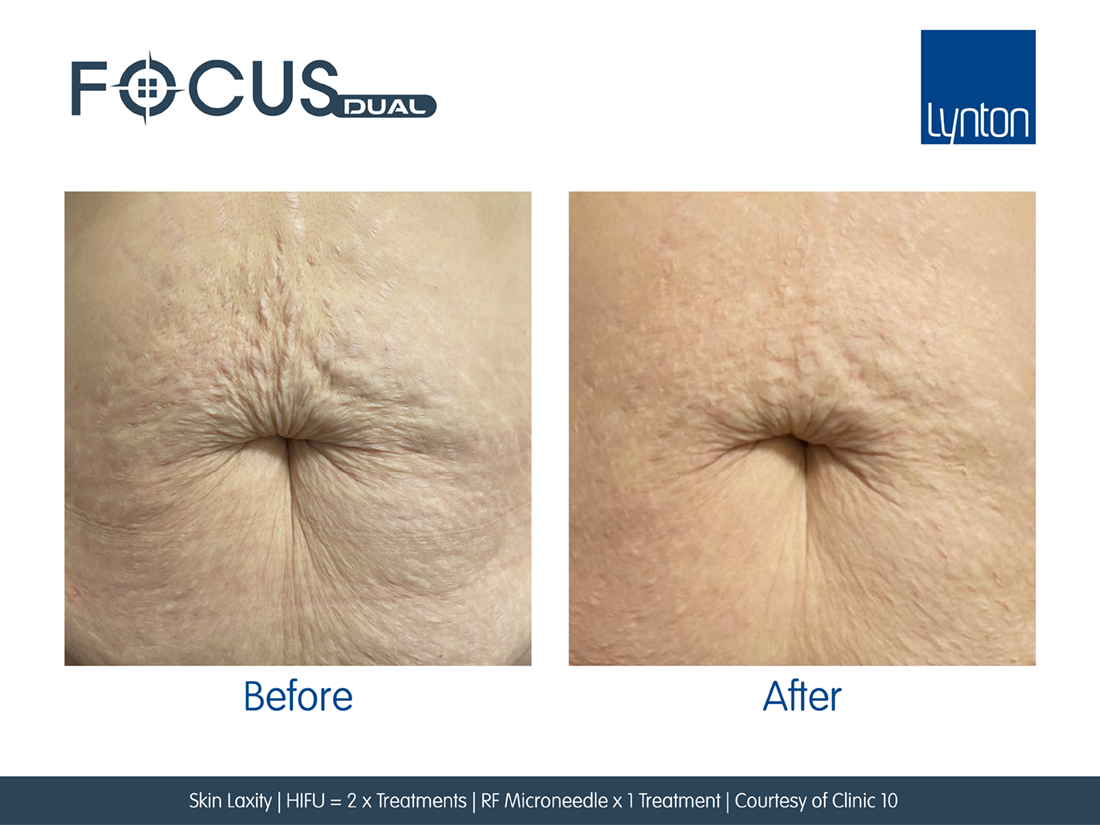
- Skin laxity of the abdomen
- Crepey or lax skin on the thighs
- Underarm skin laxity
- General loss of skin firmness on the body in suitable areas
Suitability for both facial and body HIFU is assessed during consultation, as outcomes depend on existing skin quality, degree of laxity and individual treatment goals.
HIFU is generally well tolerated. During treatment, patients may experience brief sensations of warmth, tingling or pressure as the ultrasound energy is delivered at depth.
Following treatment, it is common to experience mild tenderness, tightness or sensitivity in the treated area. These effects are usually short lived and settle over a few days. Aftercare advice is provided to support comfort and recovery.
A HIFU treatment session typically takes 45 to 90 minutes, depending on the areas treated and the individual treatment plan.
Some patients notice early tightening or firmness within the first few weeks following treatment. However, because HIFU works by stimulating collagen production, results develop gradually rather than immediately.
Results typically continue to develop over two to three months as new collagen forms and strengthens the deeper support structures of the skin, leading to a more lifted and supported appearance over time.
Improvements tend to become more noticeable with each treatment, with the best results usually seen after completion of the full course, once collagen production has been adequately stimulated and the skin has had time to respond.
HIFU is known for offering excellent longevity compared to many non-surgical treatments, as it stimulates collagen production at a deep structural level.
Following treatment, collagen regeneration continues gradually over several months, with results typically becoming more noticeable over two to three months as new collagen forms. Improvements in skin firmness and support can often be maintained for 12 to 18 months, and sometimes longer in suitable patients.
The minimum interval between HIFU treatments is 12 weeks, as collagen needs time to develop and mature. Once results have developed, maintenance would be a single HIFU treatment annually. This helps support ongoing collagen production and structural skin support as part of a long-term, preventative approach to skin ageing.
Maintenance recommendations are always individualised and based on baseline skin quality, age, degree of laxity and overall treatment goals. Because HIFU stimulates the body’s own collagen, results tend to fade gradually rather than suddenly.
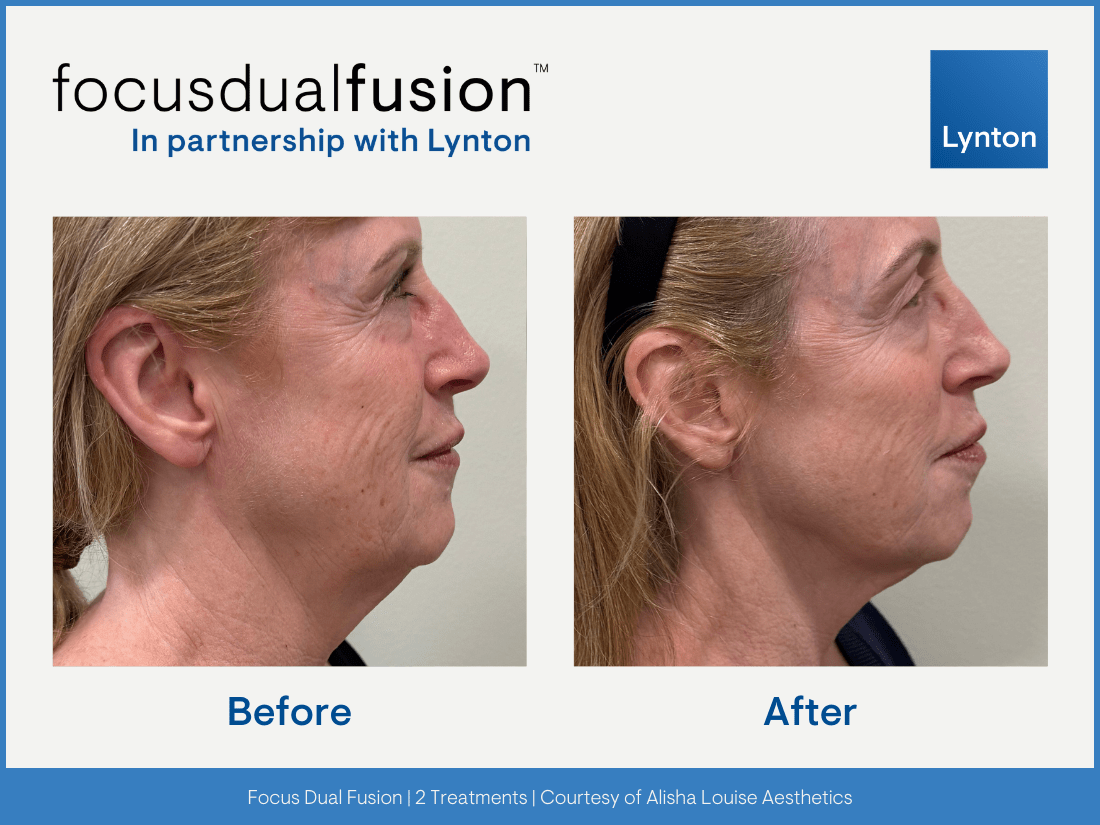
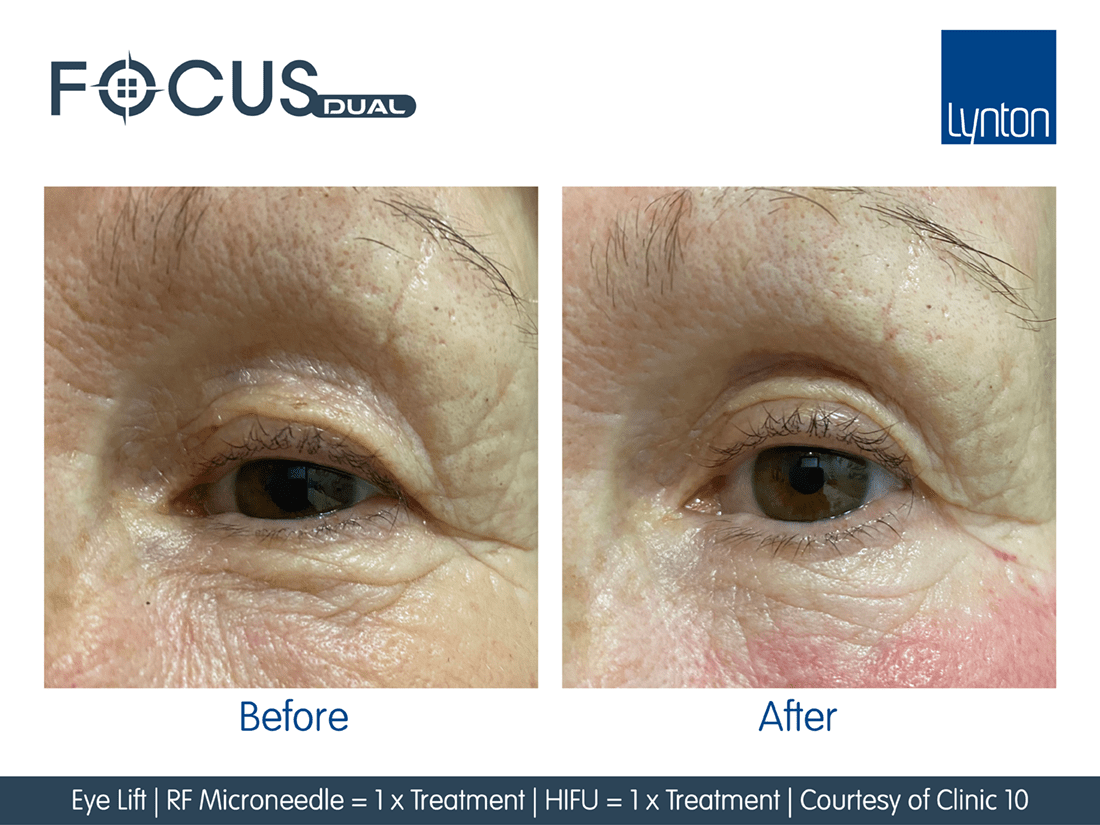
For suitable patients, HIFU and radiofrequency microneedling can be combined within the same treatment plan using the Focus Dual Fusion approach. This allows multiple layers of the skin to be treated in a single visit, providing a more comprehensive collagen stimulating treatment.
HIFU works at the deepest levels of the skin – including the SMAS layer – to improve structural support and lifting. Radiofrequency microneedling works more superficially, stimulating collagen and elastin within the skin itself to improve skin quality, firmness and texture.
By combining these two treatments, Focus Dual Fusion targets both the deep structural layers and the more superficial layers of the skin, supporting collagen production at multiple levels. This layered stimulation helps build and preserve collagen over time, often referred to as collagen banking – actively encouraging the skin to produce and retain collagen that would otherwise be lost with ageing.
When treatments are combined in this way, clinical time is reduced compared to performing HIFU and radiofrequency microneedling as separate appointments. For this reason, Focus Dual Fusion is offered at a discounted price compared to having both treatments individually.
Suitability for Focus Dual Fusion is assessed during consultation, as not all patients require treatment at every depth. Where appropriate, combining HIFU and radiofrequency microneedling can be an effective way to maximise collagen stimulation, improve longevity of results and deliver a full layer treatment in a single, well planned session.