
Polynucleotides
Regenerative medicine stimulating your own skin to upregulate it’s own production of collagen.
Improves skin quality, hydration, and repair at a cellular level, especially popular in the treatment of the delicate undereye area.
Areas Treated
Face, Neck, scalp, decolletage, Hands
Discomfort Level
Minimal
Treatment Time
30 to 45 minutes
Polynucleotides
Polynucleotides are at the forefront of developing regenerative aesthetic medicine. Rather than injecting the finished product, DNA sequences are injected into the undereye to stimulate your body’s own regenerative mechanisms to rejuvenate the skin through their biorevitalizing properties.
Polynucleotides are derived from meticulously purified DNA fragments sourced from salmon or trout sperm and are remarkably similar to human DNA, tapping into the transformative potential of DNA and RNA. Polynucleotides trigger fibroblast cell repair, collagen renewal, and hyaluronic acid production, thereby catalysing various regenerative processes within the skin. They also enhance micro-blood vessel health, alleviate inflammation, and regulate melanocyte activity.
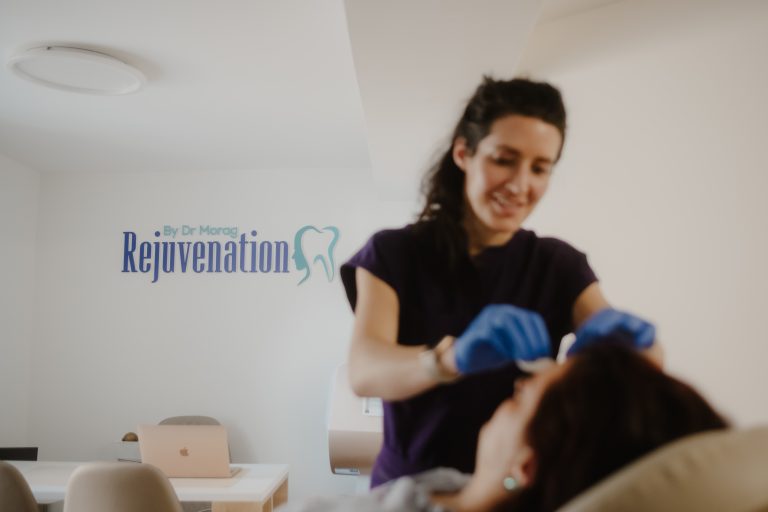
A course of 3-4 sessions spaced 3-4 weeks apart is recommended for optimal results. Maintenance varies depending on patient’s skin quality, age & lifestyle factors & is a single treatment – varying from every 3-6 months. Polynucleotides can be used on the face, neck, and body to treat wrinkles, hyperpigmentation, under-eye dark circles, acne scars, stretch marks, and even surgical scarring.
Polynucleotides can be used on the face, neck, and body to treat wrinkles, hyperpigmentation, under-eye dark circles, acne scars, stretch marks, and even surgical scarring. Polynucleotides are a very popular treatment for the “difficult to treat” undereye area & people with hollows, dark circles, or poor skin quality in the under their eyes can all benefit from this treatment.
Polynucleotides are especially effective in areas where skin quality is poor or delicate, including:
- Under-eye area
- Face (overall skin quality and texture)
- Neck
- Décolletage
- Hands
- Areas of skin thinning or early laxity
Suitability for treatment areas and the most appropriate treatment plan will always be assessed during consultation.
They are often combined with other regenerative or collagen-stimulating treatments as part of a full face or skin rejuvenation programme.
Discomfort is generally mild and well tolerated. The injections are superficial, and comfort measures are used where appropriate. Mild swelling, redness, or small bumps can occur temporarily following treatment.
Treatment usually takes 30–45 minutes, including assessment and careful placement of the product.
Polynucleotides work by supporting the skin’s natural repair and regeneration, so results develop gradually rather than immediately.
Many patients begin to notice improvements in skin hydration, texture, and comfort within the first 2–3 weeks following treatment. As the course progresses, skin often appears healthier, more resilient, and more luminous.
The most noticeable improvements typically develop several weeks after completing a full course of treatments, as the skin continues to regenerate and strengthen at a cellular level. Because polynucleotides work by improving skin function rather than adding volume, results are subtle, natural, and progressive.
This gradual improvement is a key part of what makes polynucleotides particularly well suited to delicate areas and patients seeking refined, skin-quality focused rejuvenation.
The longevity of results following polynucleotide treatment varies from person to person and depends largely on the existing quality and health of the skin at the time of treatment.
Once the initial course is complete, maintenance treatment – a single treatment – is usually recommended every 6-9 months. However, this can vary depending on the individual’s baseline skin quality, skin thickness, lifestyle factors, and how well the skin responds to treatment.
Patients with thinner, more fragile under-eye skin or more advanced skin ageing may benefit from more regular maintenance, while those with stronger baseline skin quality may find results last longer between treatments.